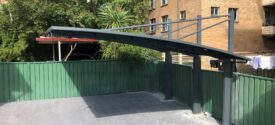

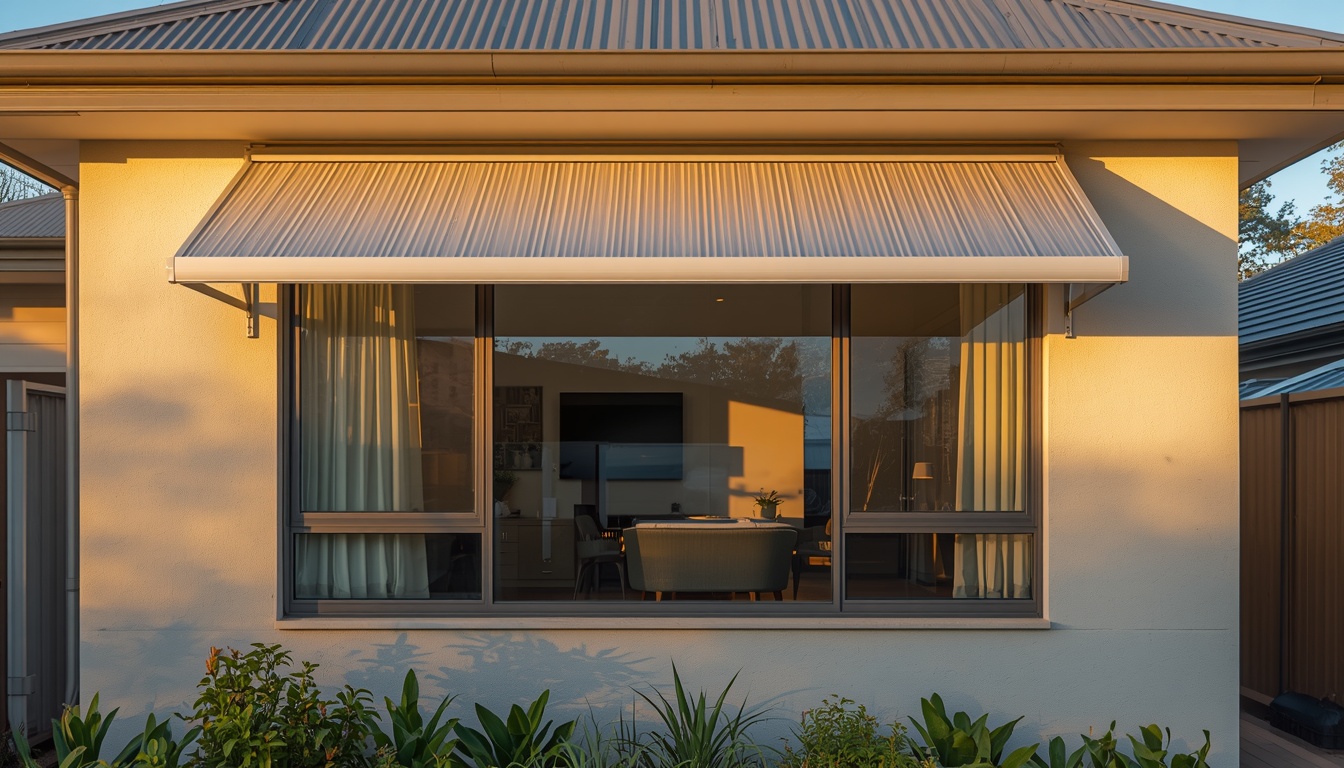
Awning Sydney options cover any external roof or fabric cover over a window, door, balcony or patio that blocks sun and light rain before it reaches the glass. Choices include fixed, retractable and window awnings. Check orientation, wind exposure, council or strata rules and the installer’s licence before you buy, and retract moving awnings in strong wind.
It’s 3pm in January, the afternoon sun is pouring through your west-facing windows, and the living room feels like an oven. You could crank the air conditioner, or you could stop the heat before it reaches the glass. That’s the idea behind an awning. If you’re searching for awning Sydney options, this guide covers the main types, how orientation changes what works, what the rules say in NSW, what to ask before you pay a deposit and how to look after it.
Key Takeaways
- Match the awning to the window. According to YourHome, north-facing windows suit horizontal shading, while low-angle east and west sun is harder to block.
- Outside beats inside. The NSW Government says external shading blocks the sun’s energy before it passes through the glass.
- Retract in wind. NSW Energy advises retracting awnings during storms or high winds.
- Rules depend on the location. The NSW Codes SEPP includes awnings, blinds and canopies as exempt development when standards are met, but awnings over a footpath need council approval.
- Apartment owners need strata approval. Minor renovations under NSW strata rules can’t change the outside of your property.
- Ask about fixings. Awnings catch wind, so the mounting matters as much as the cover.
- Check the installer. Get a written quote, a licence number and warranty terms.
What Is an Awning and What Does It Do?
An awning is a roof or fabric cover fixed outside a building to shade windows, doors, balconies or outdoor areas. Its job is to stop the sun, and some rain, before it hits the glass or the people underneath.
That matters because heat is easier to stop outside than inside. A blind or curtain on the inside deals with heat after it has already come through the window.
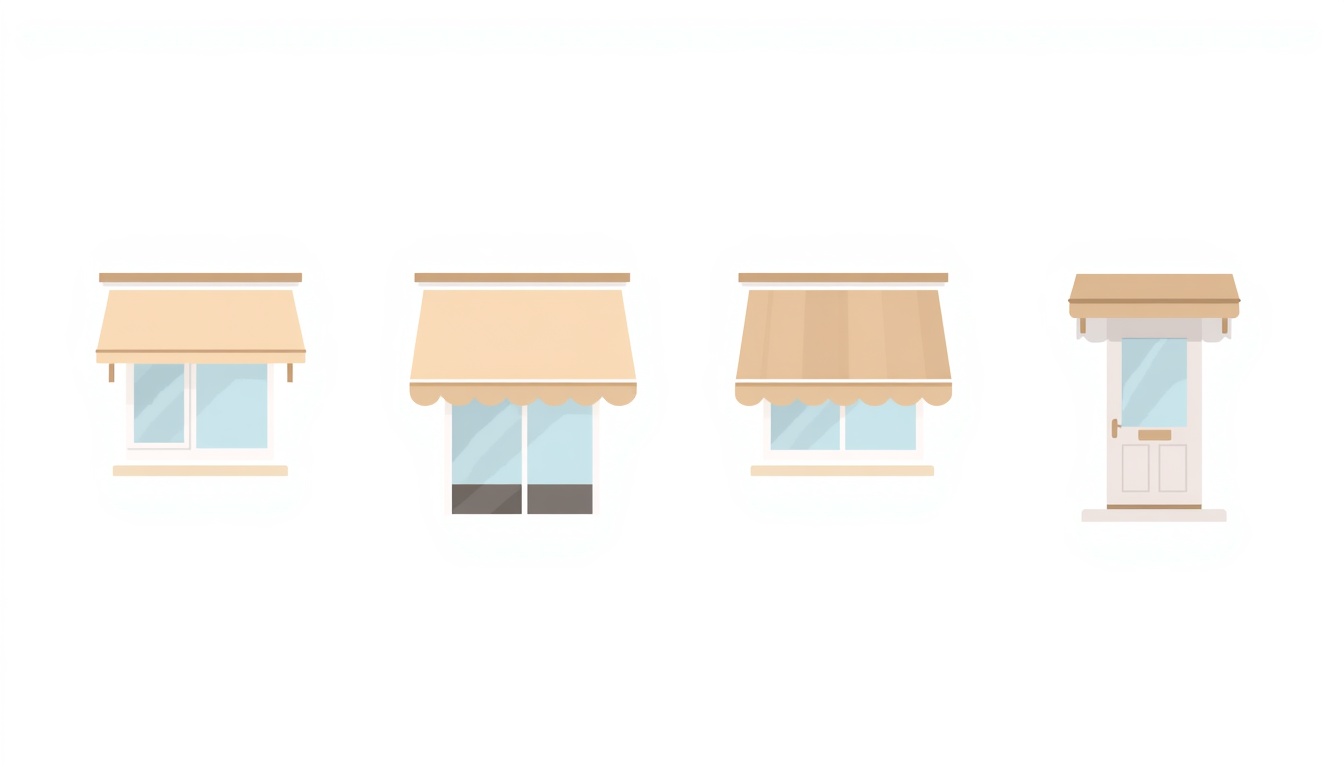
Types of Awnings for Sydney Homes
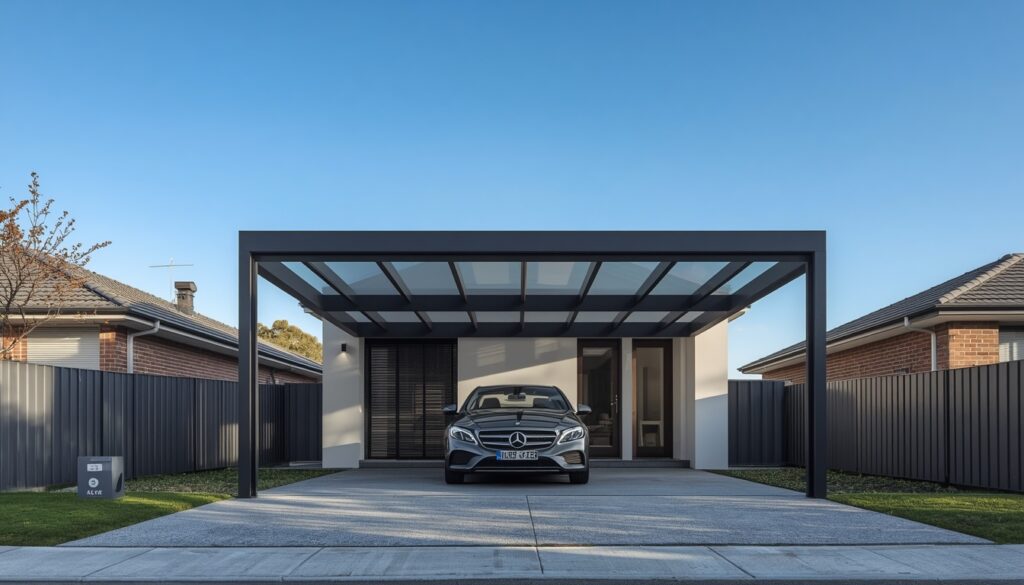
- Fixed awnings. A permanent cover, often aluminium or steel with a solid or polycarbonate roof. Low-maintenance, and good over windows, doors and balconies.
- Retractable awnings. Fabric arms that extend and fold away. They give flexibility, but need care in wind.
- Straight-drop blinds. Vertical external blinds that suit low sun on east and west windows.
- Window and door canopies. Smaller covers that shade a single opening or entry.
- Car awnings and shades. Covers over driveways or parking spots.
Availability and specifications vary between suppliers, so ask for details on any product you’re considering.
 Orientation: Which Windows Need Shade First?
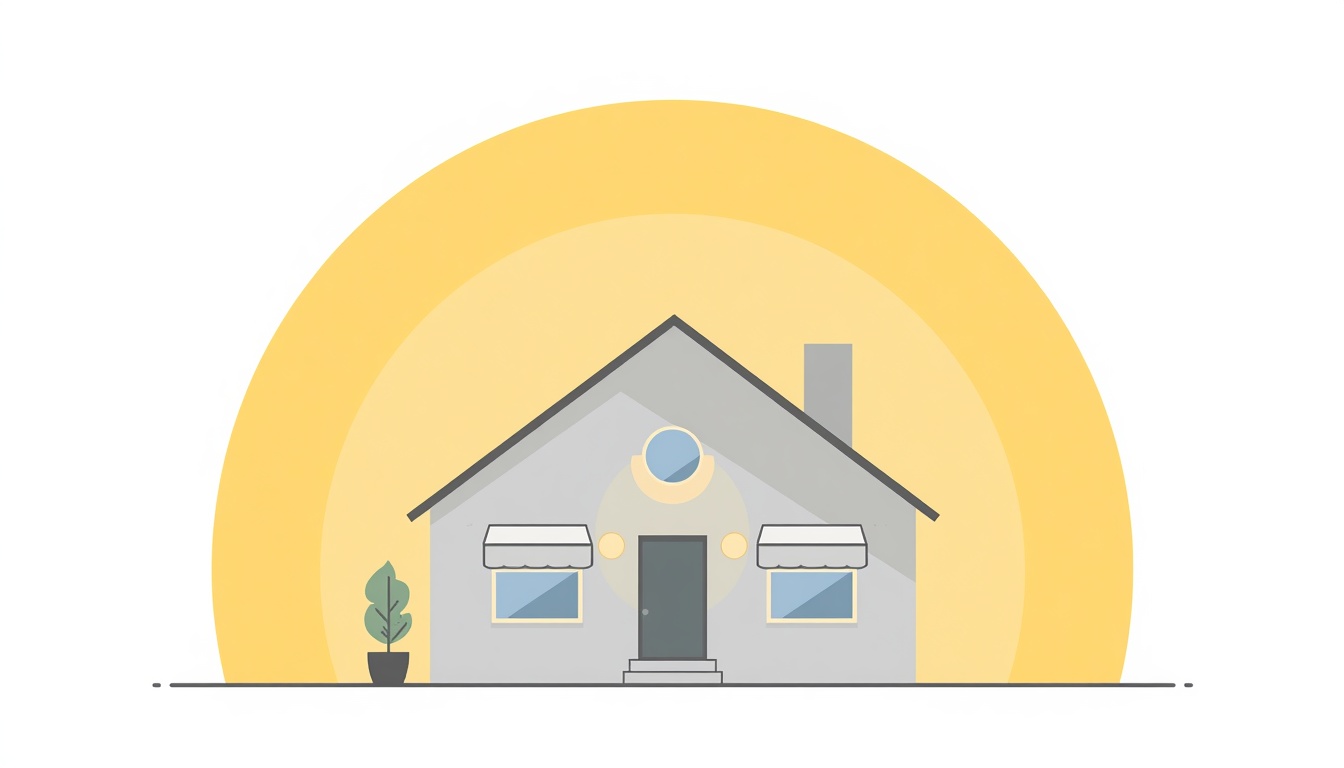 The sun hits your home from different angles at different times. According to YourHome (checked November 2026), unprotected glass is often the greatest source of heat entering a home. It says simple horizontal devices such as eaves and awnings can exclude summer sun and admit winter sun on north-facing openings. East and west openings are harder, because the sun is lower in the morning and afternoon.
In practice:
- North-facing windows: A fixed horizontal awning can work well.
- West-facing windows: These take the harshest afternoon sun, so consider adjustable or vertical shading.
- East-facing windows: Morning sun is lower, so vertical blinds or angled covers help.
- South-facing windows: These get little direct summer sun, so they’re usually the lowest priority.
How Awnings Improve Comfort
The NSW Government’s external shading page (checked November 2026) says awnings and shutters block the sun’s energy before it passes through the glass, which stops windows from trapping heat. It suggests external shading if you have west-facing windows or want to use your air conditioner less. It also notes there’s currently no NSW or Australian Government rebate for external shading, so check before you buy.
An awning also makes the area underneath more usable, such as a balcony or a patio door.
NSW Rules: Council, Strata and Street Awnings
The rules depend on where the awning goes.
- On a house or private property. The NSW Codes SEPP lists awnings, blinds and canopies as a type of exempt development, which means no planning or building approval is needed if you meet its standards. Exempt development can’t be carried out on certain land, such as some heritage items. Check the current standards, or ask your council or certifier.
- Over a footpath or road. According to Service NSW (last published 30 September 2025), you need council approval and a complying development certificate to install an awning over any part of a public road or footpath.
- In a strata building. The NSW Government’s strata renovations page (checked November 2026) says minor renovations can’t change the outside or structure of your property or require waterproofing. An awning that changes the outside of your lot is therefore unlikely to qualify as a minor renovation, so talk to your strata manager and get approval in writing before you order.
Wind, Storms and Safety
Awnings catch wind like sails. NSW Energy advises retracting awnings during storms or high winds to prevent damage.
For fixed awnings, ask the installer how the frame is fixed and whether engineering is provided for exposed sites. The NSW Department of Planning’s 2017 circular on awning safety says awnings are part of the building and the owner’s responsibility, even over a public footpath. After storms, check fixings, arms and fabric for damage.
Choosing Materials and Fabrics
- Frame. Aluminium resists rust and suits coastal sites, while steel is strong and common.
- Roof or cover. Polycarbonate lets filtered light through, solid sheets give full shade, and fabric offers flexibility.
- Colour and finish. Powder-coated finishes hold colour better in strong sun.
- Warranty. Ask for frame, cover and workmanship warranties separately.
Shade also isn’t a substitute for a hat, clothing and sunscreen.
How to Choose an Awning Installer
According to the Building Commission NSW (updated September 2025), a licence is required for residential building work valued at more than $5,000 including GST. It also suggests getting more than one written quote, asking for references and not paying any money without a written contract.
Also ask:
- Who designs and measures the awning?
- What are the fixing details and wind considerations?
- Who handles any council or strata paperwork?
- What warranty applies to the frame, cover and installation?
A Hypothetical Example: A West-Facing Balcony in a Sydney Unit
This is an illustrative scenario only, not a real project.
Imagine a unit owner in Sydney’s inner west whose west-facing balcony turns into an oven on summer afternoons. They consider a retractable awning, but they know balcony walls and roofs in strata buildings are often common property.
They ask their strata manager first, learn that a change to the outside of the building needs formal approval, and submit a proposal with the installer’s drawings. While waiting, they compare two written quotes and confirm the fixing details and wind advice.
By following the process in order, they avoided ordering something they couldn’t install. Real buildings vary, so always check your own scheme’s rules.
Common Mistakes to Avoid
- Ordering before checking approvals. Council or strata rules may apply.
- Ignoring orientation. A west-facing window needs a different solution from a north-facing one.
- Leaving a retractable awning out in a storm.
- Skipping the fixing details. Poor fixings are a common cause of failure.
- Choosing on price alone. Check the licence, warranty and written scope.
- Forgetting daylight. A dense cover can make a room darker.
- Relying on shade alone for sun protection.
- Skipping maintenance. Check fixings, arms and seams after storms.
Practical Checklist Before You Buy
- Windows or areas to shade, with orientation noted.
- Council and strata requirements confirmed.
- Awning type, frame and cover chosen, with UV and warranty details.
- Fixing method and wind advice discussed.
- Installer’s licence number checked, and a written quote received.
- Warranty terms for frame, cover and installation in writing.
- Plan for retracting and maintaining the awning.

Awnings and Shade From a Local Builder
If you’d like to compare a local option, Prestige Carports is a Taren Point business that lists balcony and window awnings among its services, alongside carports and modern car shades. Its homepage describes a process of consultation, design, installation and support, and says it manufactures to suit your area, land and size. You can start on its awning service page. Before you commit, ask for the frame and cover specifications, fixing details and the builder’s licence number.
Final Thoughts
The right awning comes down to orientation, rules, materials and fixings. Check which windows get the harshest sun, confirm approvals before you order, and ask how the awning will cope with wind. When you’re ready to compare options, request a quote and ask for the details in writing.
This article is general information only and not professional advice. Planning, strata, building and wind-safety requirements depend on your property. Check with your local council, strata manager, a certifier or a licensed builder before you start.
FAQs
How long does an awning last?
It depends on the materials, exposure and maintenance. Aluminium and steel frames tend to outlast fabric, which fades and wears faster in strong sun, and coastal air is harder on metal. Ask for the frame, fabric and workmanship warranties separately, and check fixings after storms so small faults don’t grow.
Can I leave a retractable awning out in the rain?
Light rain is usually fine for many awnings, but water can pool on fabric and strain the arms, so follow the manufacturer’s instructions. The NSW Government’s advice is to retract awnings during storms or high winds. If your awning has a wind sensor, check it still works, and don’t rely on it alone.
Will an awning make my rooms darker?
It can. Solid roofs and dense fabrics cut glare and heat but also reduce daylight. Polycarbonate, lighter fabrics or adjustable designs let more light through. Think about what matters most, such as keeping a west-facing room cool or keeping a north-facing room bright in winter, and discuss the trade-off with your installer.
Can an awning be fixed to brick, weatherboard or a unit balcony?
Often, but the fixing method depends on the wall, and the structure behind it needs to carry the load. Brick, timber frames and concrete each need different fixings. For a unit, the wall or roof may be common property, so you’ll need strata approval first. Ask the installer to assess the fixing points on site.
How do I clean an awning?
Follow the manufacturer’s instructions first. In general, brush off loose dirt, rinse with clean water and use mild soapy water with a soft brush on fabric or metal. Avoid high-pressure water and harsh chemicals, which can damage fabric and finishes. While cleaning from a safe position, check fixings, arms and fabric seams for wear.
Is an awning better than a pergola or shade sail?
It depends on the space. Awnings suit windows, doors and balconies, where they block the sun before it reaches the glass. Pergolas and larger structures suit bigger outdoor areas, and shade sails are flexible but need strong anchor points. YourHome notes that pergolas with deciduous vines can shade in summer and let winter sun in.